
The Twelve Apostles are among the most recognizable natural landmarks in Australia, drawing visitors from around the world to the rugged coastline of Victoria. These towering limestone stacks rise dramatically from the Southern Ocean, shaped over thousands of years by relentless wind and waves.
While they are often included as a quick stop along the Great Ocean Road, the experience can vary significantly depending on when and how you visit. With the right timing and a bit of planning, the Twelve Apostles can become one of the most memorable highlights of your trip to Australia.
This guide covers everything you need to know for 2026, including how to get there, when to visit for the best conditions, what to see nearby, and practical tips to help you avoid common mistakes.

Where Are the Twelve Apostles?
The Twelve Apostles are located within Port Campbell National Park, along the southwestern coast of the state of Victoria. They sit just off the famous Great Ocean Road, approximately 275 kilometers from Melbourne.
This stretch of coastline is known for its dramatic scenery, with steep cliffs, powerful surf, and unique rock formations carved by erosion. The Apostles themselves are limestone stacks that were once connected to the mainland before being gradually separated by the ocean.
How to Get to the Twelve Apostles Australia
By Car
Driving is the most flexible and rewarding way to reach the Twelve Apostles. The journey from Melbourne typically takes around 4.5 hours one way, depending on traffic and how often you stop.
There are two main route options:
- The inland route (faster, less scenic)
- The Great Ocean Road route (longer, but far more scenic)
Most travelers choose to drive along the Great Ocean Road, which offers coastal views, small seaside towns, and numerous viewpoints along the way. However, it is important to allow enough time, as the road is winding and slower than standard highways.
Starting early in the morning is strongly recommended, especially during peak travel seasons.
By Tour
Guided tours from Melbourne are a convenient alternative if you prefer not to drive. These tours typically include transportation, a guide, and stops at several key locations along the Great Ocean Road.
While tours remove the stress of navigation, they often follow tight schedules. This means less flexibility and limited time at each viewpoint, particularly during busy periods.
By Helicopter
For a different perspective, helicopter flights are available near the Twelve Apostles. These short flights provide panoramic views of the coastline and allow you to see the rock formations from above.
Although more expensive, this option is popular with photographers and travelers looking for a unique experience.
Best Time to Visit the Twelve Apostles
Timing has a major impact on your experience. The same location can feel completely different depending on the time of day and season.
Sunrise
Sunrise is widely considered the best time to visit. The light is soft, the colors are warmer, and there are significantly fewer people. If you are looking for a quieter and more atmospheric experience, this is the ideal time.
Sunset
Sunset is also very popular due to the dramatic lighting over the ocean. However, it tends to attract larger crowds, particularly in summer and on weekends. Arriving early is essential if you want a good viewing spot.
Midday
Midday visits are the least recommended. The lighting is harsher, and this is when tour buses and peak crowds arrive. The overall experience can feel rushed and crowded.
Best Season to Visit
- Summer (December to February): Warm temperatures and long days, but also the busiest time of year
- Autumn (March to May): Mild weather, fewer crowds, and generally stable conditions
- Winter (June to August): Cooler temperatures, strong winds, and occasional rain, but fewer visitors
- Spring (September to November): Variable weather, with a mix of sunny and rainy days
For most travelers, autumn offers the best balance between weather and crowd levels. If you’re planning a broader trip, check out my complete guide on the best time to visit Australia and New Zealand to understand seasonal differences across the country.
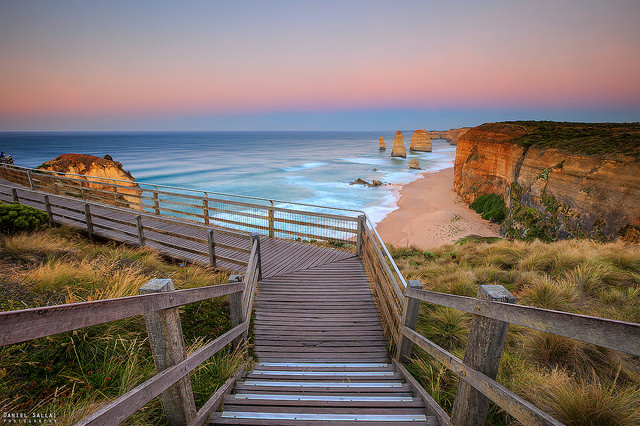
How Many Apostles Are There?
Despite the name, there were never twelve rock stacks. The formation was originally known as the “Sow and Piglets” before being renamed for tourism purposes.
At their peak, there were nine stacks. Due to natural erosion, several have collapsed over time. Today, only seven remain visible, and the number will continue to change as the coastline evolves.
What to See Nearby
Limiting your visit to the main viewing platform means missing much of what makes this coastline special. Several nearby locations offer equally impressive views and are worth including in your itinerary.
Loch Ard Gorge
One of the most scenic spots along the coast, Loch Ard Gorge is known for its calm waters, steep cliffs, and historical significance. It is named after a shipwreck that occurred here in the 19th century.
Gibson Steps
This location allows you to descend to the beach level, providing a completely different perspective of the cliffs and rock formations. Conditions can vary depending on tides and weather, so access is not always guaranteed.
London Arch
Previously known as London Bridge, this rock formation partially collapsed in 1990, leaving a natural arch separated from the mainland. It is easily accessible and offers excellent photo opportunities.
The Grotto
A smaller and less crowded viewpoint, the Grotto combines a cave, arch, and pool into one formation. It is often overlooked but can be one of the most visually interesting stops along the route.
How Much Time Do You Need?
The amount of time you spend depends on how you plan your visit.
- A quick stop at the main viewpoint can take 30 to 45 minutes
- Visiting nearby attractions typically requires 2 to 3 hours
- Driving the full Great Ocean Road with multiple stops is best done over 1 to 2 days
Rushing through the area limits the experience, so allowing extra time is worthwhile.
Practical Travel Tips
Weather conditions along this coastline can change quickly. Even on warm days, strong winds are common, so bringing an extra layer is advisable.
Footwear is also important, especially if you plan to explore multiple viewpoints or walk down to the beach at Gibson Steps.
Parking is available near the main viewing area and is free of charge. However, spaces can fill up quickly during peak hours.
Drone use is restricted in many areas, so it is important to check local regulations before flying.
For those wanting a more relaxed experience, staying overnight in nearby towns such as Apollo Bay or Port Fairy can make a significant difference. This allows you to visit early in the morning or later in the evening when most day-trippers have left.
Is It Worth Visiting?
The Twelve Apostles are often described as one of the highlights of Australia’s southern coastline, and for good reason. The scale of the cliffs, the movement of the ocean, and the constantly changing landscape create a powerful and memorable setting.
However, the experience depends heavily on timing and expectations. Visiting during peak hours can feel crowded and less impressive, while arriving early or staying late offers a much more immersive experience.
Sample Great Ocean Road Itinerary (1 Day)
A one-day itinerary is possible, although it requires an early start and a full day of driving.
Morning:
Depart Melbourne early and head directly to the Great Ocean Road. Stop briefly at coastal viewpoints along the way.
Midday:
Continue through the coastal towns and stop for lunch in Apollo Bay.
Afternoon:
Visit Gibson Steps and explore the Twelve Apostles area.
Evening:
End the day at Loch Ard Gorge or return to the Twelve Apostles for sunset before driving back or staying overnight nearby.
FAQ
Is there an entrance fee?
No, visiting the Twelve Apostles is free.
Can you access the beach near the Apostles?
Direct access is not available at the main viewpoint, but nearby locations such as Gibson Steps provide beach access.
Is it suitable for families?
Yes, the site is accessible and suitable for families, although care should be taken near cliff edges.
Are facilities available?
There are basic facilities, including parking and restrooms, near the main viewing area.
Final Thoughts
The Twelve Apostles are more than just a scenic viewpoint. They represent a dynamic and constantly changing coastline shaped by natural forces over time. Taking the time to explore beyond the main platform, choosing the right time of day, and planning your route carefully can turn a brief توقف into a truly memorable experience.
Whether you are visiting as part of a longer road trip or making a dedicated journey along the Great Ocean Road, the Twelve Apostles remain one of the most rewarding destinations in Australia.